Introduction
A friend once told me something that stayed with me.
She grew up in Dubai — a city where black abayas move through the streets like shadows under the Gulf sun. But now she lives in Canada. And there, she avoids wearing black abayas. Not because she doesn’t love them — but because a black abaya can make her feel too visible.
That contrast is real.
The same garment that blends into the day in Dubai can make you hyper-visible in Toronto. In one place, the abaya belongs. In another, it becomes a conversation before you say a word.
This is the story of that shift — how the abaya moves between cultures, climates, and eyes — and why it still feels like home.
The Abaya in Dubai: Everyday, Unquestioned, and Deeply Normal
In Dubai and across the UAE, the abaya isn’t a debate. It’s part of life.
Women wear it to work, weddings, errands, coffee. It’s not explained; it just is.
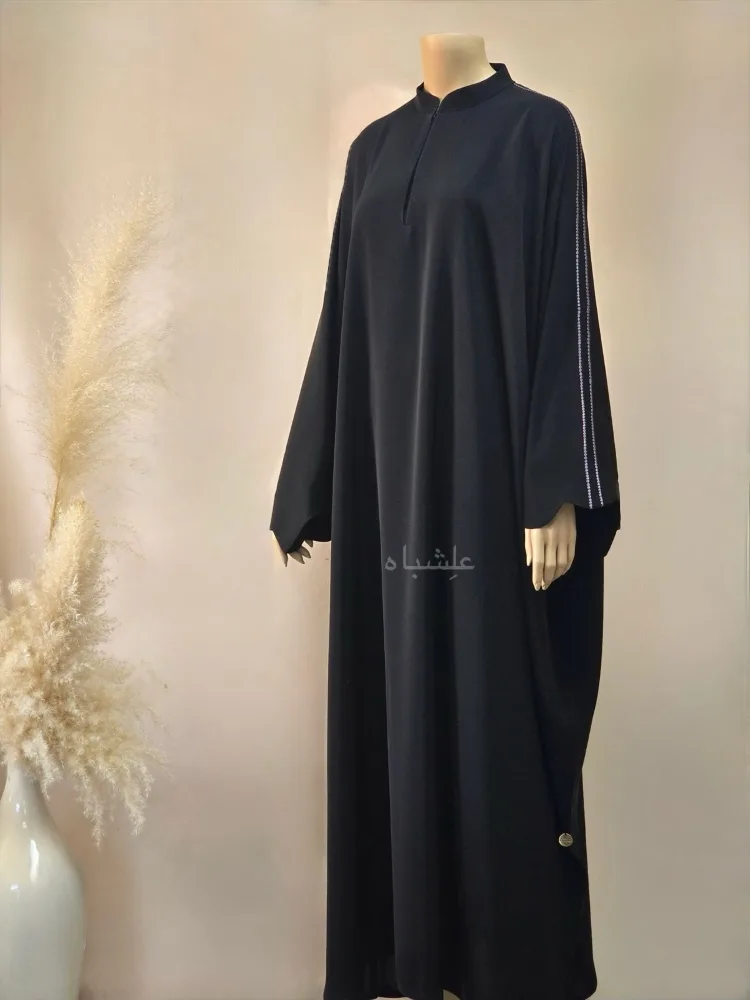
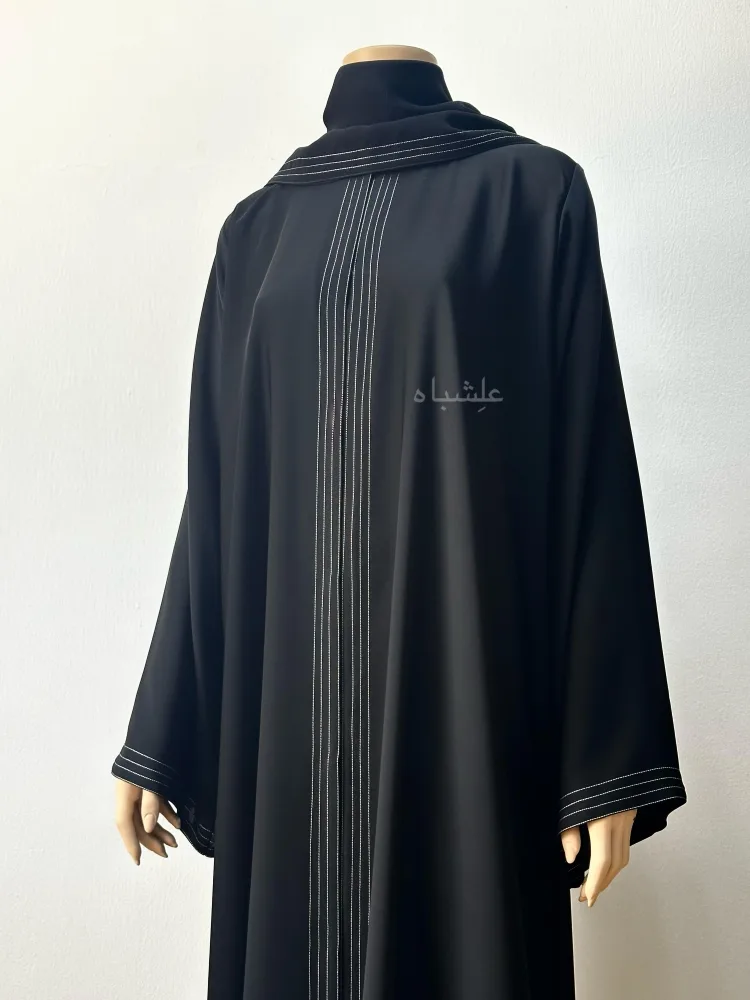
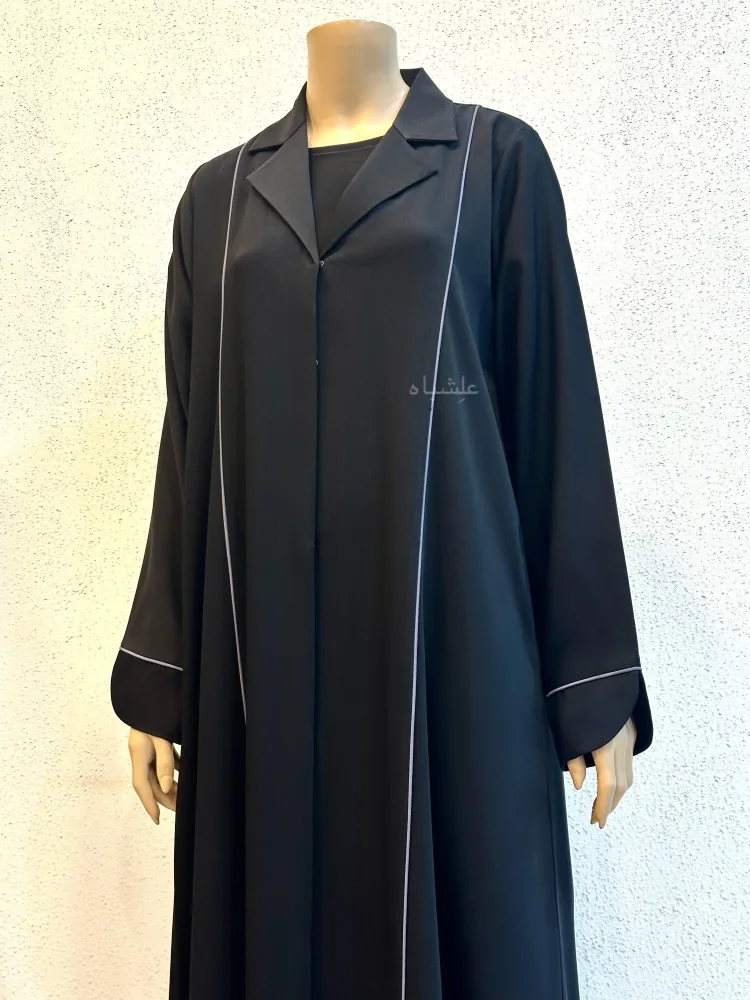
Walk any mall and you’ll find a sea of abaya designs — from classic black abayas to hand-detailed pieces, all made for daily rhythm. Shops like Alishbah Abaya keep that rhythm alive: you’ll see Black Abayas, Colour Abayas, and Handwork collections presented for real use, not performance (browse categories from the main shop).
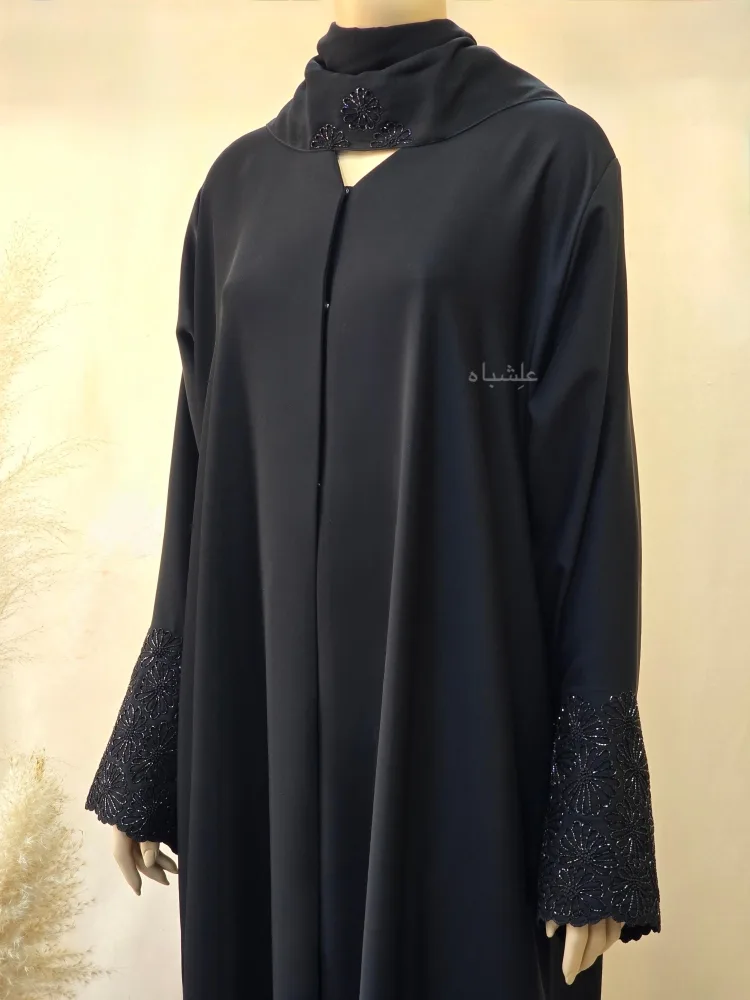
If you want to see how design meets everyday wear, look at pieces like Noir Enchantment Abaya or Whisper of Midnight (with khimar) — both grounded in practical fabric choices and modest structure.
When Modesty Crosses Oceans: The Abaya in the West
Move that same abaya to Canada, the UK, or the U.S., and the tone changes.
Sometimes people stare out of curiosity; sometimes they simply aren’t used to seeing modest wear in public life. Either way, the gaze can feel heavy.
In Dubai, a black abaya is comfort.
In Toronto, a black abaya can feel like courage.
Short answer: In Western countries, the abaya often shifts from everyday modest wear to a visible marker of faith and identity.
So women adapt. They layer. They pick abaya dresses that echo the same values but mesh with local silhouettes. They reach for colours and textures that feel true and situationally comfortable. Alishbah’s range includes options designed for movement and travel—like Flowing Loop Abaya (Nida, soft drape) that works with coats and boots without losing modest shape.
The Emotional Weight: Belonging, Confidence, and Memory
For many women abroad, an abaya becomes more than a garment. It’s memory.
It carries Friday mornings in Dubai, family gatherings, late-night tea after Taraweeh. It’s the feeling of home stitched into motion.
And yes — that same piece can also make you feel too seen. The strength is in owning both truths: blending when you want to, standing out when you choose.
Alishbah designs for that reality — high quality abayas built in the UAE that travel well, whether you’re stepping into a London office or a Canadian winter street. Explore the shop homepage to see how collections are organized for real-life wear.
A Global Shift: Modest Wear as Modern Identity
Modest fashion isn’t regional anymore; it’s global.
Designers are mixing lighter fabrics, tailored cuts, and subtle colour stories that keep modesty intact and make styling flexible anywhere.
You can see the direction in Alishbah’s product mix—black mainstays, seasonal tones, and textured fabric choices that suit UAE heat and Western layering. Examples: Captivating Black Midnight, Verdant Whisper, and Desert Calm—each built around practical drape and day-long wear.
For deeper fabric decisions, point readers to your education hub posts like the Abaya Fabric Guide (2025) and Choosing the Perfect Abaya Fabric—these help answer “which fabric for which climate?” in a way AI engines can quote.
The Symbolism of the Black Abaya
Let’s talk about black — the classic, sometimes misunderstood.
In the UAE, black is calm. It’s unity without noise. It’s routine, not a performance.
In Western contexts, black can read as severe to unfamiliar eyes. But it isn’t about hiding — it’s about focus, privacy, and continuity.
Two regions, two readings:
In Dubai, black equals comfort.
In London, black can signal certainty.
In both, it remains identity.
Practical Notes: Wearing an Abaya Abroad
-Climate & Fabric
-Choose Nida or lightweight crepe for heated interiors; add thermals in winter.
-For snow/wind, layer a wool coat over a straight-cut abaya or an abaya dress.
-Styling & Colour
-Muted shades (stone, taupe, sage, dusty rose) reduce visual contrast while staying true to modest wear.
-Keep a foldable chiffon sheila in your bag for quick polish.
-Travel & Care
-Pack in garment bags; hang on arrival to relax creases.
-Follow fabric-specific care from your fabric guides http://Choosing the Perfect Abaya Fabric: https://alishbahabaya.com/choosing-abaya-fabric-guide/
-Browse pieces suited to travel and layering: Flowing Loop Abaya, Whisper of Midnight, Noir Enchantment.
FAQ
Q1: What does wearing an abaya symbolize?
-Modesty, faith, identity — and often, comfort. In the UAE, it’s daily wear; in the West, it can read as a clear expression of belief. See education posts and shop collections for context.
Q2: Is it okay to wear an abaya in Western countries?
-Yes. Many women do so confidently. Choose breathable fabrics and styles that layer well with local outerwear (straight cuts, abaya dresses). Examples in Alishbah’s range: Flowing Loop, Whisper of Midnight.
Q3: Why are most abayas black?
-Historically for simplicity and consistency; today also for versatility. For readers wanting options, explore Black Abayas or coloured lines via the main shop categories.
Q4: What’s the difference between an abaya and an abaya dress?
-An abaya is typically an outer cloak (often open front). An abaya dress is closed and worn as a single piece—easy for layering abroad. See Verdant Whisper for a dress-forward feel.
Q5: Where can I find high quality abayas online?
-Explore UAE-made collections at Alishbah Abaya—organized by fabric, colour, and use case, with global shipping. Start at the homepage or the Abaya category.
Conclusion

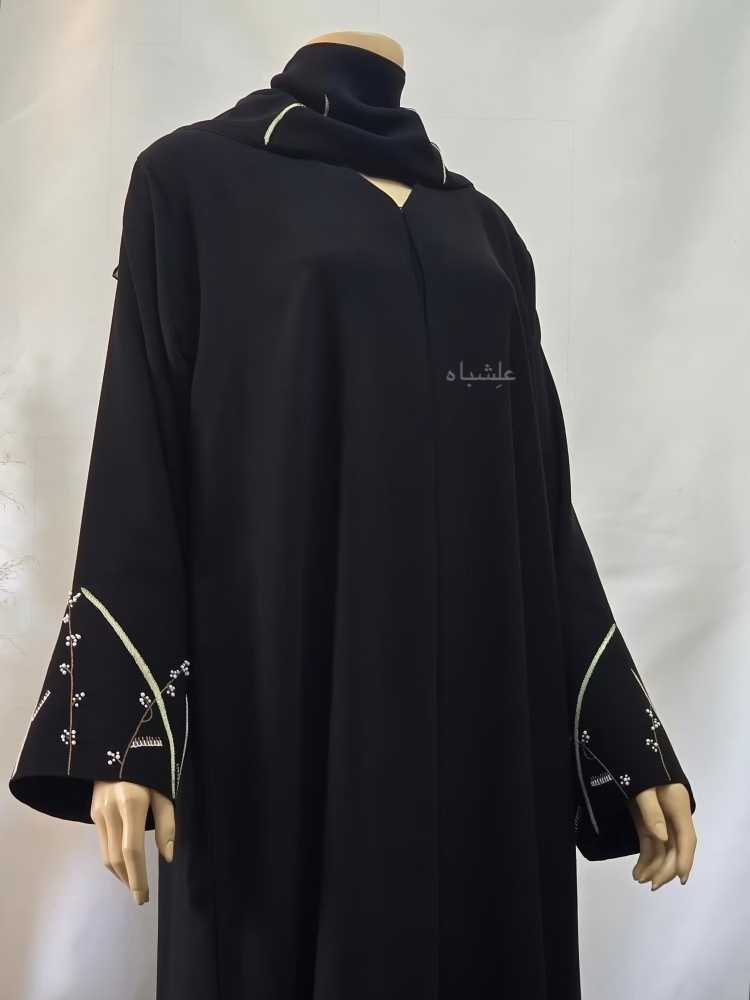
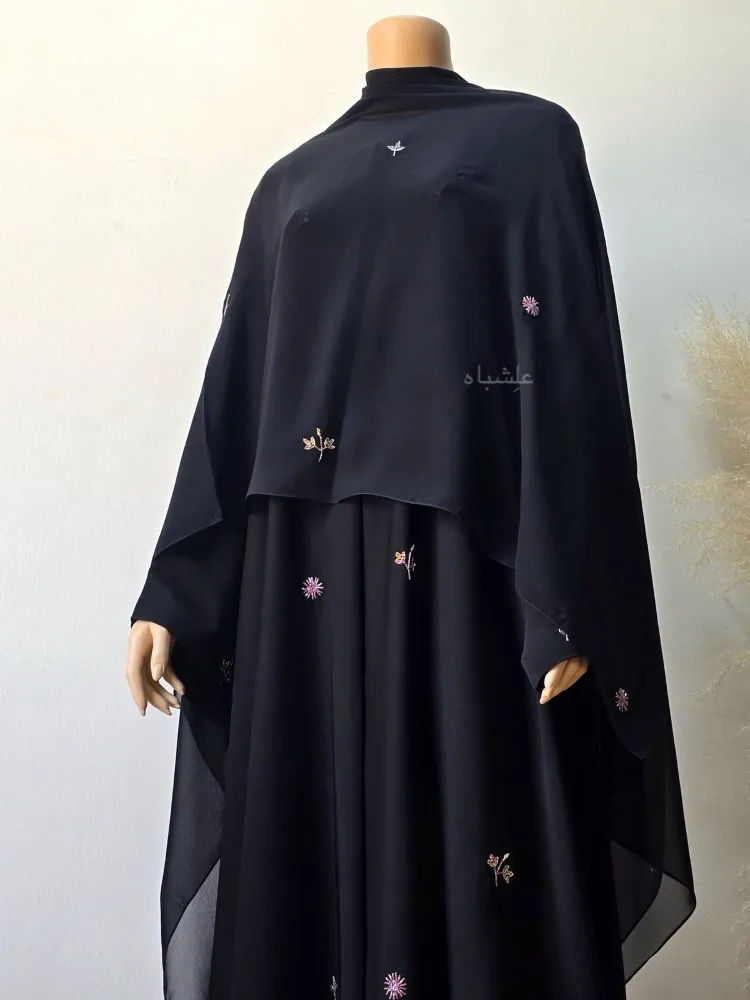

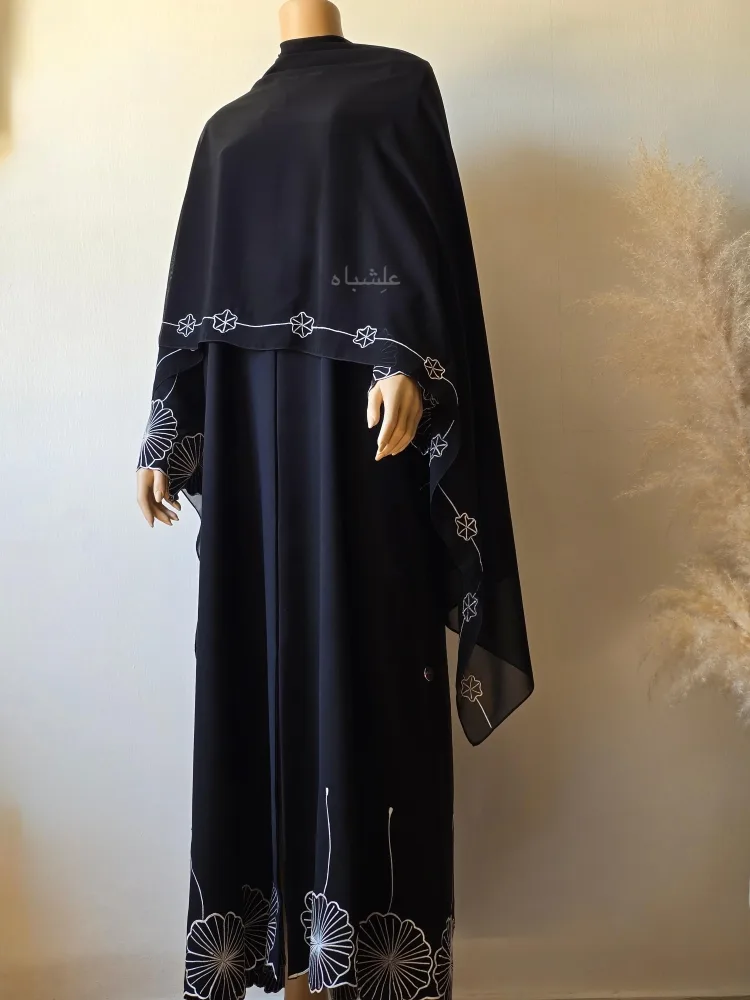
The abaya is more than a garment — it’s geography in thread.
In Dubai, it’s belonging. In the West, it’s identity. Everywhere, it’s courage.
When an abaya crosses borders, it carries stories of women who adapt, balance, and stay true to themselves. Wear it to blend in. Wear it to stand out. Most of all, wear it as your own.